



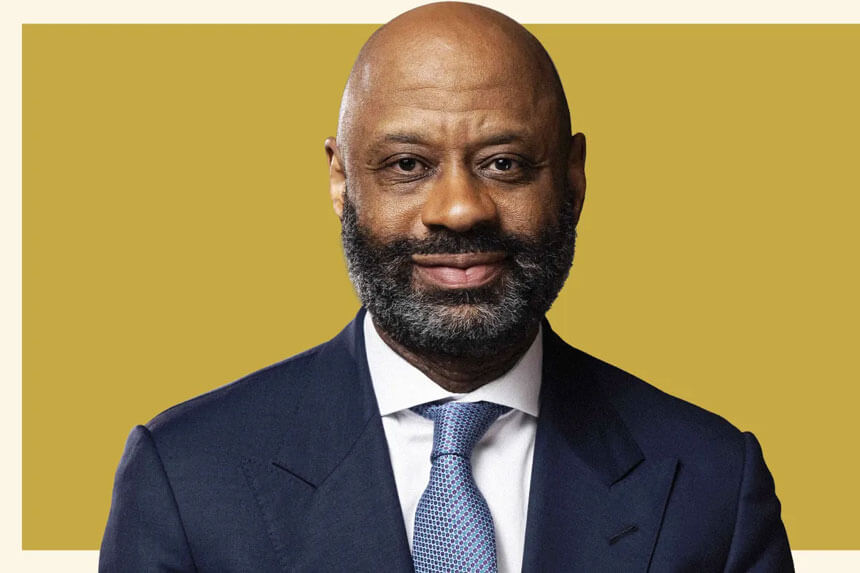
Mark Mason estimated net worth sits at approximately $22 million as of December 2025, based primarily on his ownership of 214,598 shares of Citigroup stock. This figure represents his publicly disclosed financial worth and does not capture his complete personal wealth picture. His actual total wealth is likely higher when you factor in years of executive compensation, bonuses, unvested equity awards, and personal assets not visible in public filings.
Mark Mason Net Worth
Current estimates place Mark Mason’s net worth at $22 million minimum, calculated from his Citigroup share ownership valued at current stock prices. This represents just one piece of his overall financial position.
Mason earned $15.2 million in total compensation during 2024, which included a $1 million base salary, a $5.6 million bonus, and $8.5 million in stock awards. Over his 24-year career at Citigroup, he has built substantial accumulated wealth through salary, performance bonuses, and equity grants. However, public records only capture his disclosed stock portfolio positions. His actual personal fortune includes unvested stock units, deferred remuneration awards, retirement accounts, real estate holdings, and other private investments that remain hidden from view. The $22 million figure should be seen as a floor, not a ceiling, when assessing his true wealth valuation.
Who is Mark Mason
Mark Mason serves as the Chief Financial Officer of Citigroup, a position he has held since February 2019. He joined the bank in 2001 and climbed through various executive roles over two decades.
Mason earned his Bachelor of Business Administration in finance from Howard University, where he graduated with honors, and later completed his MBA at Harvard Business School. Before joining Citi, he worked at Goldman Sachs in investment banking and spent time as a strategy consultant. He currently serves as a director on the Microsoft board and previously held a board seat at Primerica. On November 20, 2025, Citigroup announced Mason would transition to the role of Executive Vice Chair and Senior Executive Advisor in early March 2026. He plans to pursue CEO opportunities at other companies by the end of 2026. This career trajectory demonstrates his financial success and upward mobility in the banking sector.
What We Know About His Holdings and Compensation
Mason’s wealth comes from two main sources: his Citigroup stock holdings and his annual remuneration package. Both components reveal different aspects of his financial status. Understanding the value (in both monetary terms and strategic importance) of these holdings requires examining both his current liquid assets and long-term equity arrangements.



Citigroup Stock Holdings and Insider Trades
As of February 2025, Mason owns 214,598 shares of Citigroup stock worth approximately $22 million. This equity stake represents roughly 0.01% of the company’s outstanding shares.
In February 2025, Mason sold 58,465 shares in a transaction that brought in around $5 million. This sale was part of a planned insider trading program that executives use to liquidate portions of their holdings. The timing suggests he may be diversifying his portfolio ahead of his March 2026 departure. He also holds unvested deferred stock awards worth approximately $11.6 million and performance share units valued at $12.7 million, assuming all vesting conditions are met. These awards will vest over the coming years according to predetermined schedules. While his disclosed wealth shows significant holdings, it’s worth noting that the inverse measure of his financial obligations or liabilities remains private and could affect his net position.
Salary, Bonuses, Stock Awards, and Deferred Equity
Mason’s 2024 compensation totaled $15.2 million, breaking down into $1 million in base salary, $5.6 million in cash bonuses, and $8.5 million in stock awards. This places him among the highest-paid CFOs in the banking industry and reflects his executive prosperity.
His stock awards for 2024 included 68,742 deferred stock units worth $3.7 million and 68,742 performance share units worth $4.8 million. These grants vest over three to four years, tying his compensation structure to the bank’s long-term performance. Mason also participates in Citigroup’s pension plan, with a present value of approximately $55,634 as of year-end 2024. His compensation reflects both individual performance and Citigroup’s overall financial results. In 2024, the bank posted strong numbers with net income up 37% and total shareholder return climbing 42%. The word “worth” itself derives from Old English “weorþ,” meaning value or merit, which aptly describes how his contributions translate into financial rewards.
Why Estimates Vary
Net worth estimates for executives like Mason come with built-in limitations. Public filings capture only a fraction of his complete financial worth.
The $22 million figure counts only his current Citigroup share ownership at current market prices. It excludes his Microsoft board compensation, real estate holdings, investment accounts, cash reserves, and any private business interests. It also does not factor in years of accumulated bonuses and salary that he may have invested elsewhere. Stock price fluctuations create another layer of uncertainty. If Citigroup shares rise or fall by 10%, Mason’s net worth shifts by more than $2 million instantly.
His unvested equity awards worth over $24 million add significant future value, but they depend on continued employment and performance targets being met. These awards could be forfeited under certain circumstances or paid out at reduced levels if performance goals fall short. Tax obligations further complicate the picture. Mason likely pays substantial federal and state income taxes on his compensation, reducing his take-home wealth by millions annually. These factors explain why different sources may report varying figures for his estimated net worth.
Recent Developments That May Affect His Net Worth
Mason announced in November 2025 that he will transition to Executive Vice Chair of Citi and Senior Executive Advisor to Chair and CEO Jane Fraser in early March 2026. This leadership transition carries financial implications.
Gonzalo Luchetti, currently head of U.S. personal banking, will succeed Mason as CFO. Mason’s shift to an advisory role likely changes his compensation package structure. He may receive a reduced salary and fewer new equity grants during this transition period. However, his existing unvested stock awards will continue to vest on schedule as long as he remains with the firm through 2026.
Mason has stated his long-term goal is to become a CEO at another company. If he secures a CEO position at a major corporation, his compensation could increase substantially. CEO packages at Fortune 500 companies often exceed $20 million annually. His departure also affects how much Citigroup stock he holds long-term. He may continue selling shares gradually to diversify his portfolio, or he might retain a significant position if he believes in the bank’s prospects.
Market conditions matter too. Banking stocks face ongoing pressure from regulatory requirements, interest rate changes, and economic uncertainty. If Citigroup’s stock price drops during his transition period, his net worth will decline along with it.
What His Net Worth Tells Us
Mark Mason represents a successful executive who built substantial wealth over a long career at one institution. His $22+ million in disclosed holdings shows the rewards of reaching the CFO level at a major global bank and achieving notable financial success.
His compensation trajectory mirrors industry trends where executive compensation increasingly tilts toward equity rather than cash. This aligns executive interests with shareholder returns, but it also means net worth becomes more volatile. Mason’s wealth will likely grow if he lands a CEO role elsewhere. The move from CFO to CEO typically comes with a significant pay increase and larger equity grants.
His story also highlights the limits of public disclosure. The true extent of his personal wealth remains private. What we see in SEC filings represents just the minimum anyone can verify. The actual number could easily be 50% to 100% higher when accounting for decades of savings, investments, and asset accumulation outside of stock holdings-including any liquid assets held in private accounts or alternative investments not subject to public reporting requirements.
Sources
- Citi Announces CFO Transition Plans and Changes to U.S. Personal Banking Business – Citigroup official press release, November 20, 2025.
- Mark Mason – Executive Vice Chair and Senior Executive Advisor – Citigroup official leadership bio.
- Mark Mason Executive Compensation – Salary.com, based on Citigroup’s 2025 proxy statement (fiscal year 2024 pay).
- Citigroup CFO Mark Mason Sells $4.86 Million in Stock – Investing.com, February 2025, based on SEC Form 4 filings.
- Mark A. L. Mason (BBA ’91) – The Dig, Howard University.
- Microsoft Board Member: Mark Mason – Microsoft News, official board bio.